Solar Eclipse
- Eclipse = abandonment (Greek)..
- Solar eclipse = sun is in hiding
- Lunar eclipse = Moon is in hinding
- Central eclipse = total,annular, or hybrid eclipse
- First contact—when the Moon’s limb (edge) is exactly tangential to the Sun’s limb.
- Second contact—starting with Baily’s Beads (caused by light shining through valleys on the Moon’s surface) and the diamond ring effect. Almost the entire disk is covered.
- Totality—the Moon obscures the entire disk of the Sun and only the solar corona is visible.
- Third contact—when the first bright light becomes visible and the Moon’s shadow is moving away from the observer. Again a diamond ring may be observed.
- Fourth contact—when the trailing edge of the Moon ceases to overlap with the solar disk and the eclipse ends.
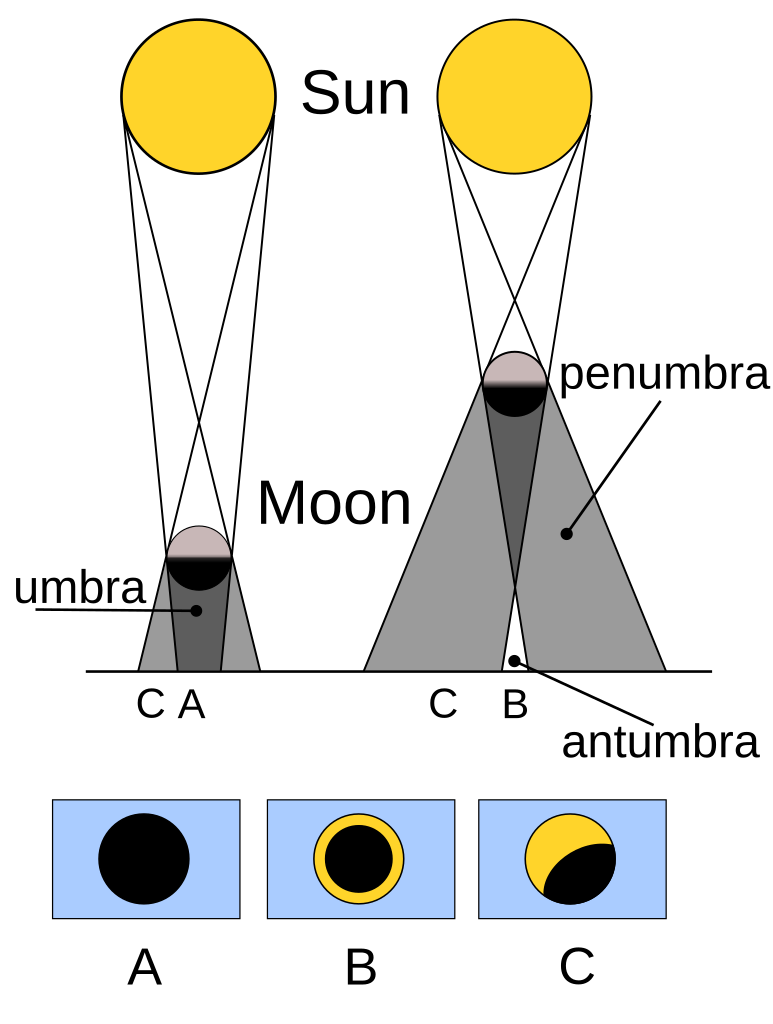
Moon’s apparent size varies with its distance from the Earth, and it is this effect that leads to the difference between total and annular eclipses. The distance of the Earth from the Sun also varies during the year, but this is a smaller effect. On average, the Moon appears to be slightly smaller than the Sun as seen from the Earth, so the majority (about 60%) of central eclipses are annular. It is only when the Moon is closer to the Earth than average (near its perigee) that a total eclipse occurs.
The Moon orbits the Earth in approximately 27.3 days, relative to a fixed frame of reference. This is known as the sidereal month. However, during one sidereal month, Earth has revolved part way around the Sun, making the average time between one new moon and the next longer than the sidereal month: it is approximately 29.5 days. This is known as the synodic month and corresponds to what is commonly called the lunar month.

- At perigee = Moon nearest to earth
- At apogee
- At perihelion = Sun nearest to earth
- At aphelion
Perigee, Perileliion = paas mein


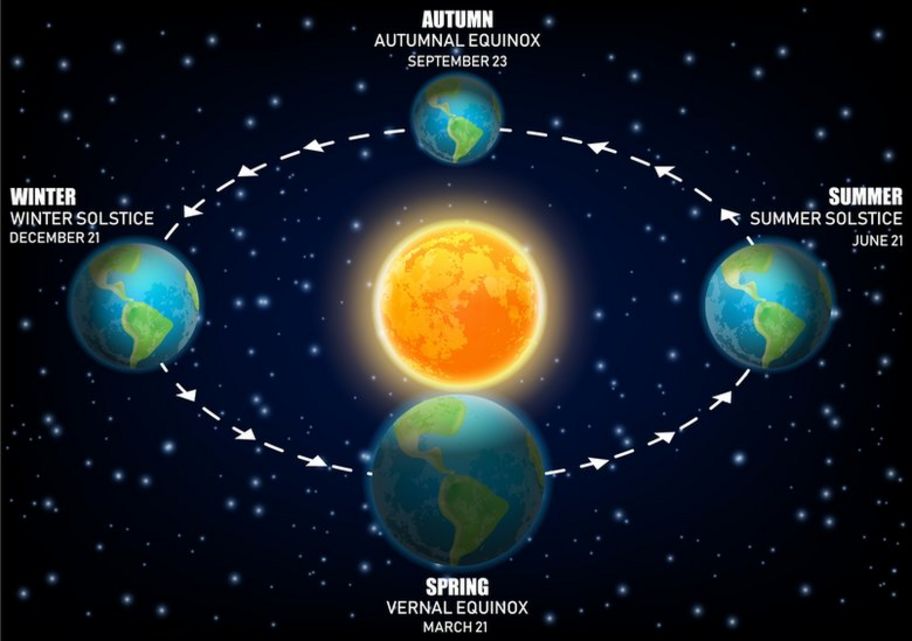
Solstice

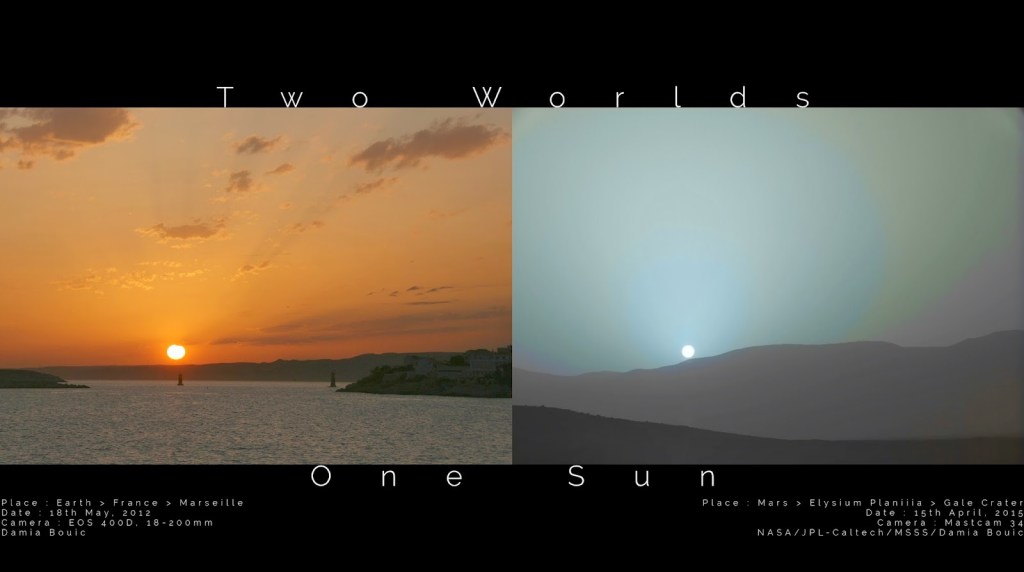
Colours in the sky
The colour of the sky or perhaps the different colour we see has to do with
- Scattering of light
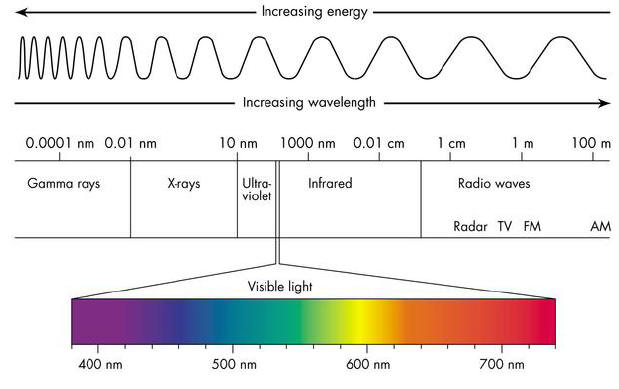
- Different wavelength of EM waves.
Infrared are not harmful.. low frequency.. large wavelength.
Ultraviolet and X rays are harmful.. high frequency.. small wavelength.
The colour of clouds
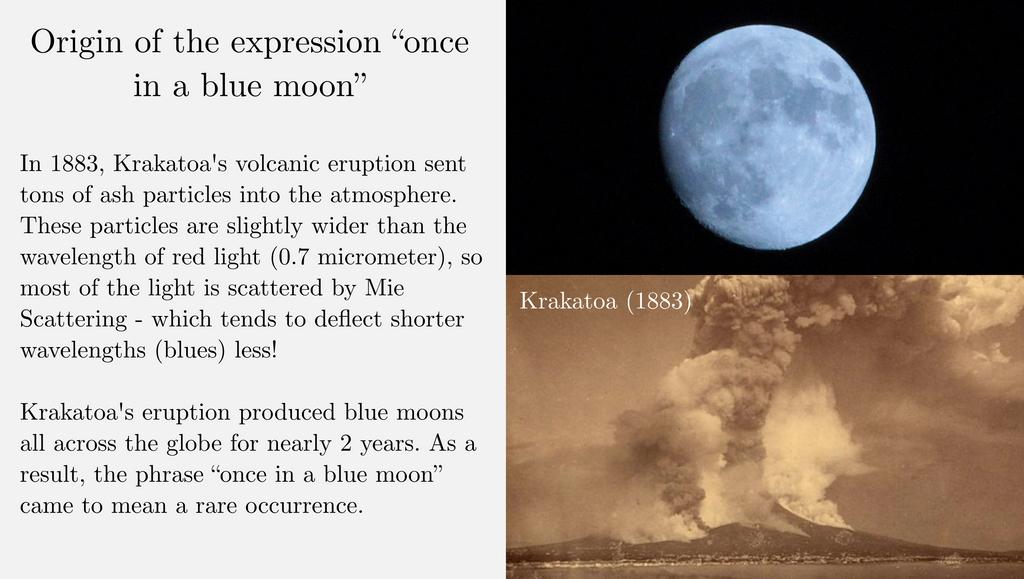
Its due to Mie scattering effect when light interacts with particles of comparable wavelengths. light interacts with dust and water particles. mostly grey and white.
Some interestings phenomenons
https://www.iasabhiyan.com/mind-map-on-geography-chapter-1-g-c-leong
Time zone lafda
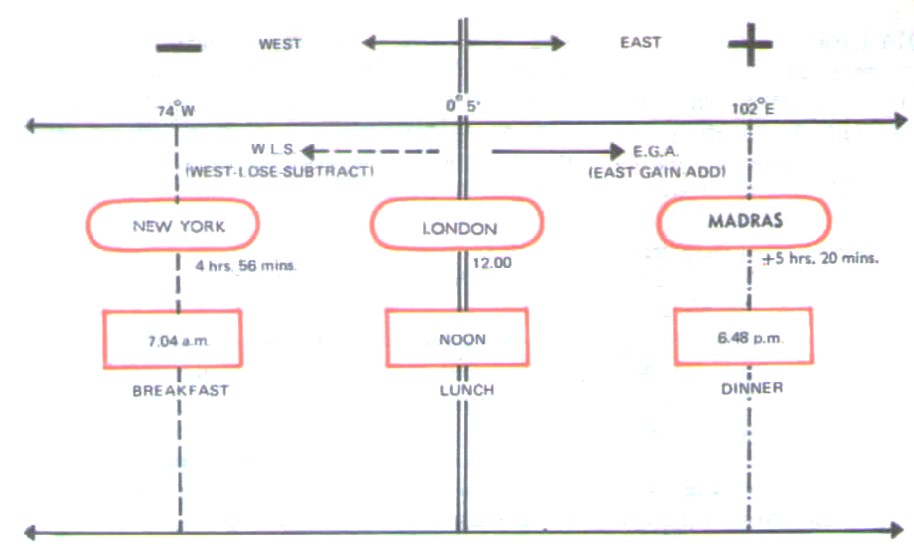
East - gain... West - lose
Greenwich Mean Time
GMT) is the meansolar time at the Royal Observatory in Greenwich, London, reckoned from midnight
Both USA and CANADA have 5 timezones.
The idea of 2 sepaate timezones in India: Nicely said here
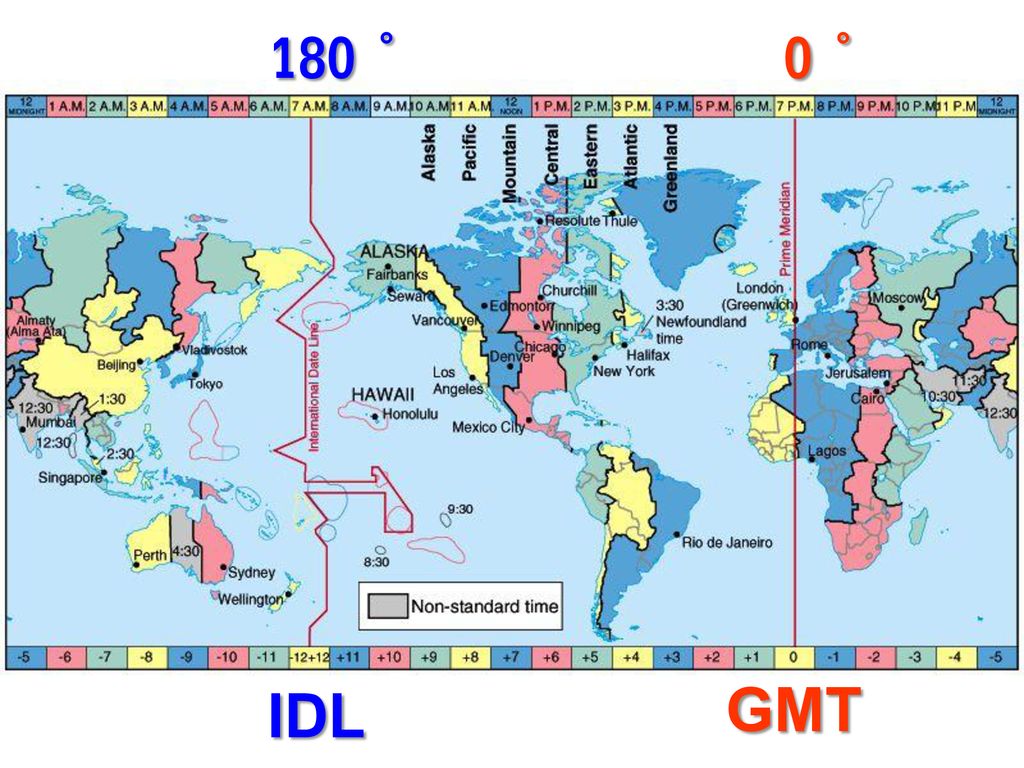
What Happens When You Cross the Dateline?
When you cross the International Date Line from west to east, you subtract a day, and if you cross the line from east to west, you add a day.
Three Dates at the Same Time
Every day between 10:00 and 11:59 UTC, three different dates on the calendar are in use at the same time on Earth. For example, our Time Zone Converter shows:
- At 10:30 UTC on May 2, it is
- 23:30 (11.30 pm) on May 1 in American Samoa (UTC−11),
- 06:30 (6:30 am) on May 2 in New York (UTC-4), and
- 00:30 (0:30 am) on May 3 in Kiritimati (UTC+14).
 MY BOX