ASI Unearths Late Harappan site at Sanauli (UP)
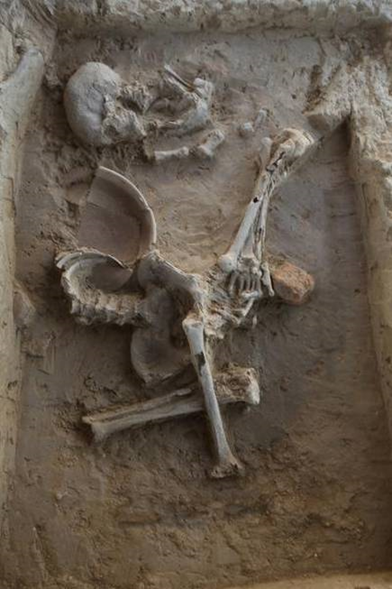
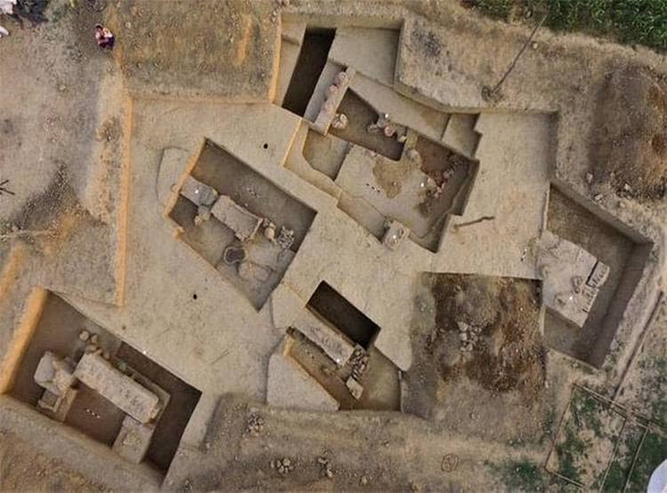
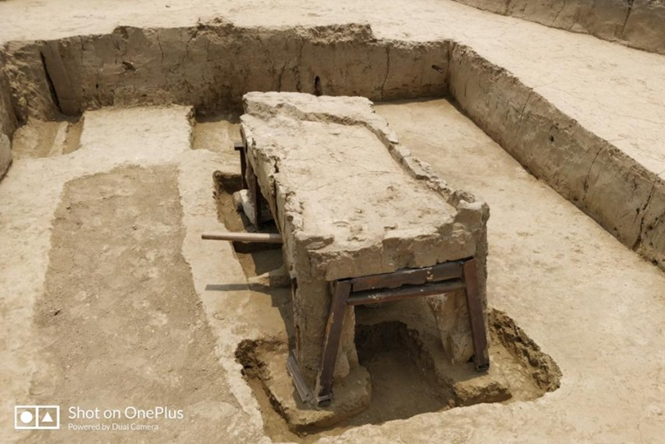
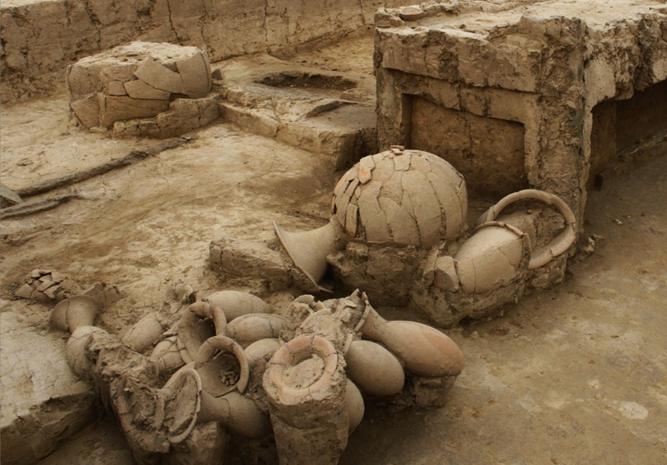
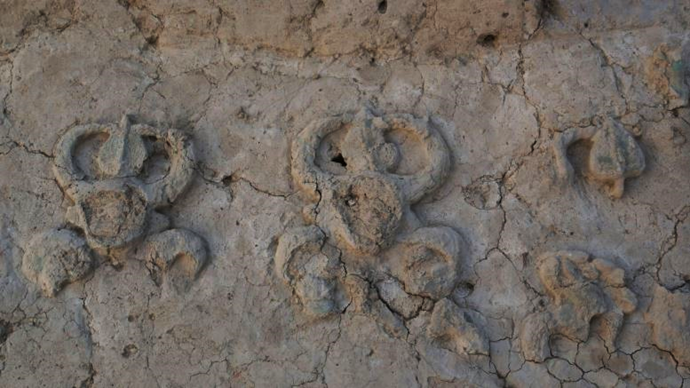
- ASI–> ongoing excavation of 4,000-year-old burial sites in Uttar Pradesh’s Sanauli has unearthed underground sacred chamber, decorated legged coffins as well as rice and dal in pots and animal bones buried with the bodies.
- The findings are important to understand the culture pattern of the Upper Ganga-Yamuna doab.
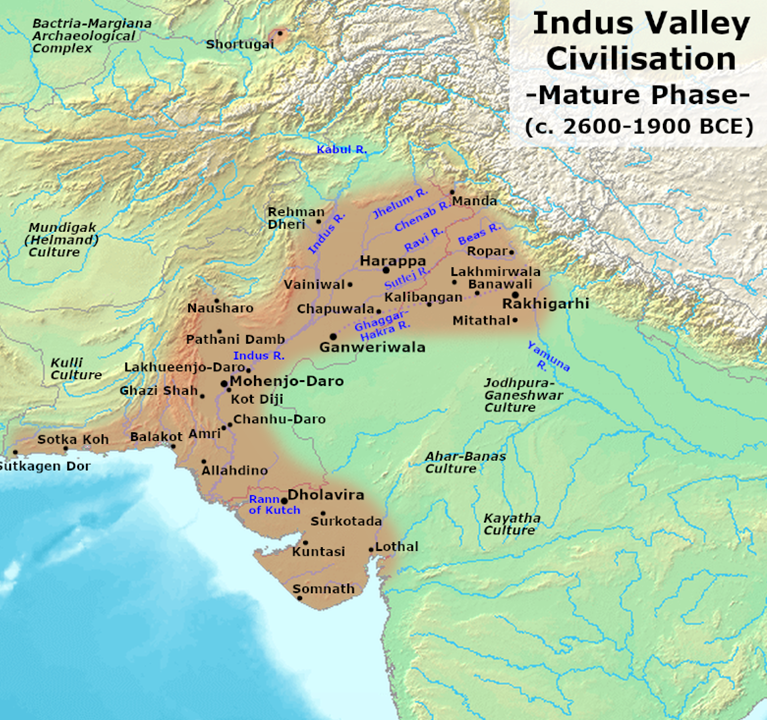
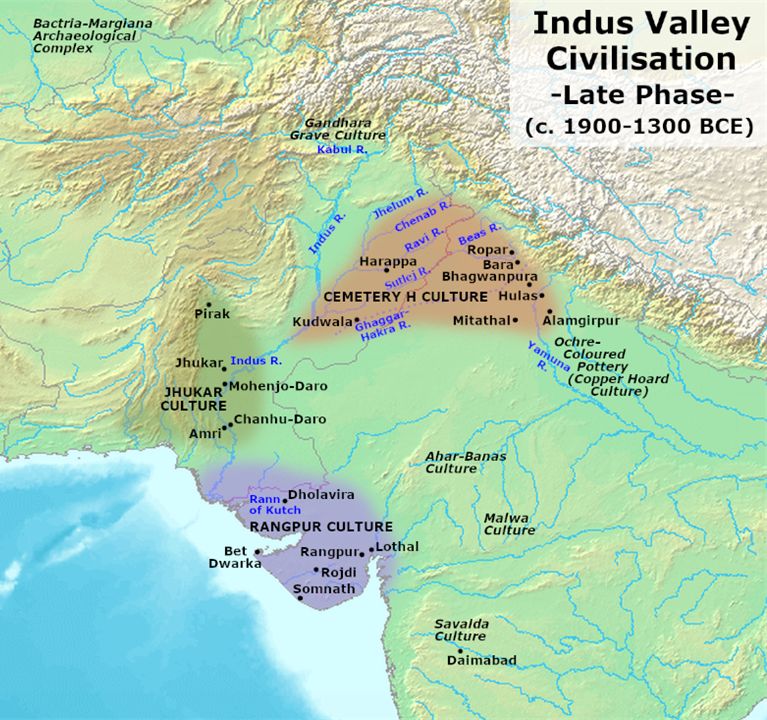
- The discovery implies that it is different from the harappan culture and is contemporary to the last phase of the mature Harappan culture.
- The excavations at Sanauli has brought to light the largest necropolis of the late Harappan period datable to around early part of the 2nd millennium BCE.
Points towards the existence of a ‘warrior class in the area around 2,000 BCE’ and this would challenge some of the basic premises of the Aryan invasion theory that claim that horses were brought in by the invading Aryan army around 1500 to 1000 BC.
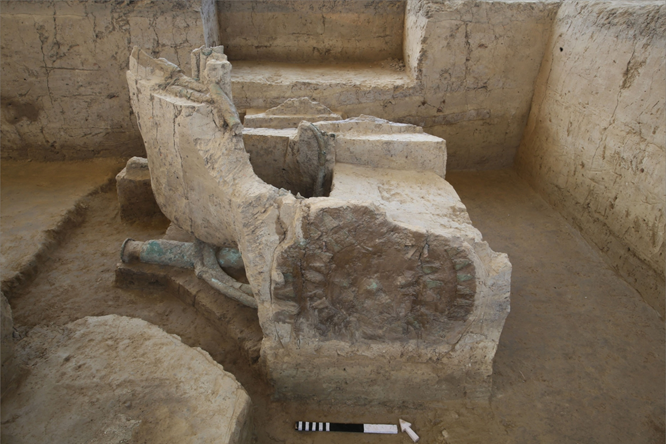
ASI has unearthed underground “sacred chambers”, decorated “legged coffins” as well as rice and dal in pots and animal bones buried with the bodies. Chariots, coffins, shields, swords and helmets had also been unearthed, pointing towards the existence of a warrior class in the area around 2,000 BCE.
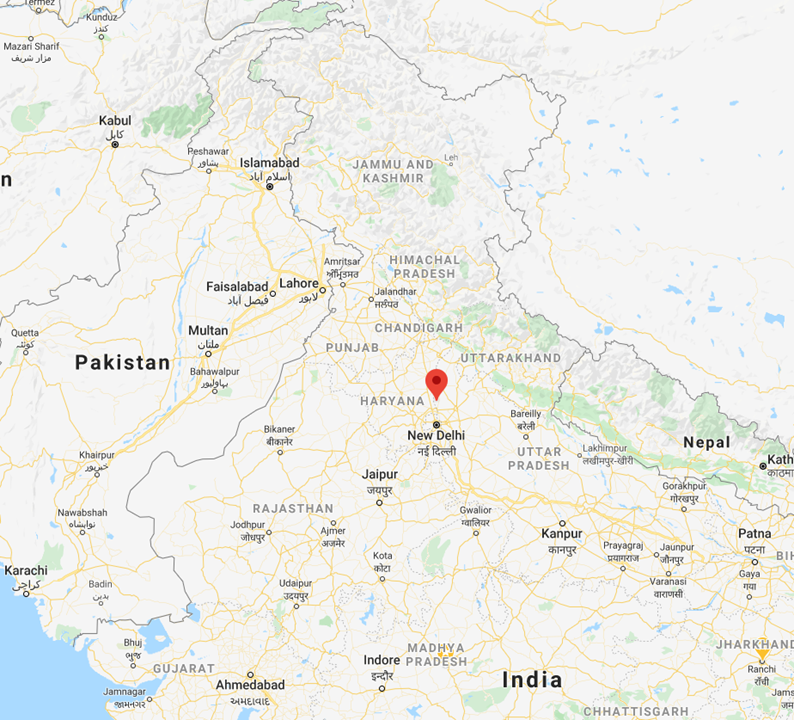
Sanauli is located on the left bank of the River Yamuna, 68 km north-east of Delhi which brought to light the largest necropolis (a large, designed cemetery with elaborate tomb monuments) of the late Harappan period datable to around early part of second millennium BCE.
 MY BOX