Environment
8th June- Worlds Ocean Day
Designated by the United Nations General Assembly in 2008.
- Theme of the World Oceans Day 2021 is ‘The Ocean: Life and Livelihoods’.
- It is especially relevant in the lead-up to the UN Decade of Ocean Science for Sustainable Development, which will run from 2021 to 2030.
Turkey’s Sea of Marmara, which connects the Black Sea to the Aegean Sea, has witnessed the largest outbreak of ‘sea snot’.
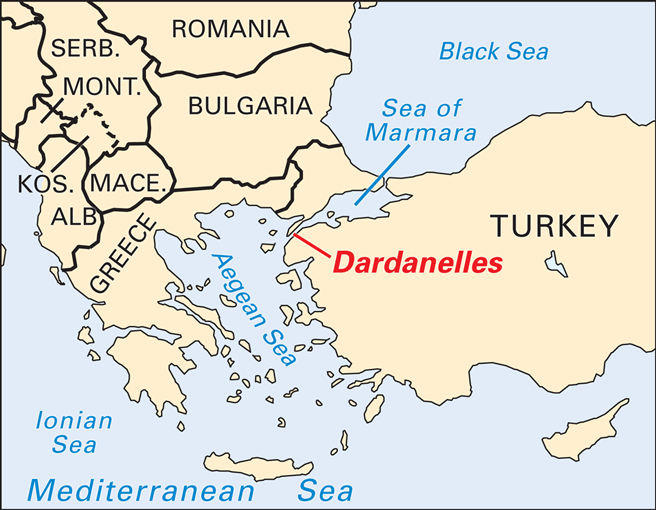
It is marine mucilage that is formed when algae are overloaded with nutrients as a result of water pollution combined with the effects of climate change.
- The nutrient overload occurs when algae feast on warm weather caused by global warming
- Though it can naturally occur also by weathering of rocks and soil in the watershed and they can also come from the ocean due to mixing of water currents.
- It is the process where too many nutrients, mainly nitrogen and phosphorus, are added to bodies of water and can act like fertilizer, causing excessive growth of algae.
- This process is also known as eutrophication.
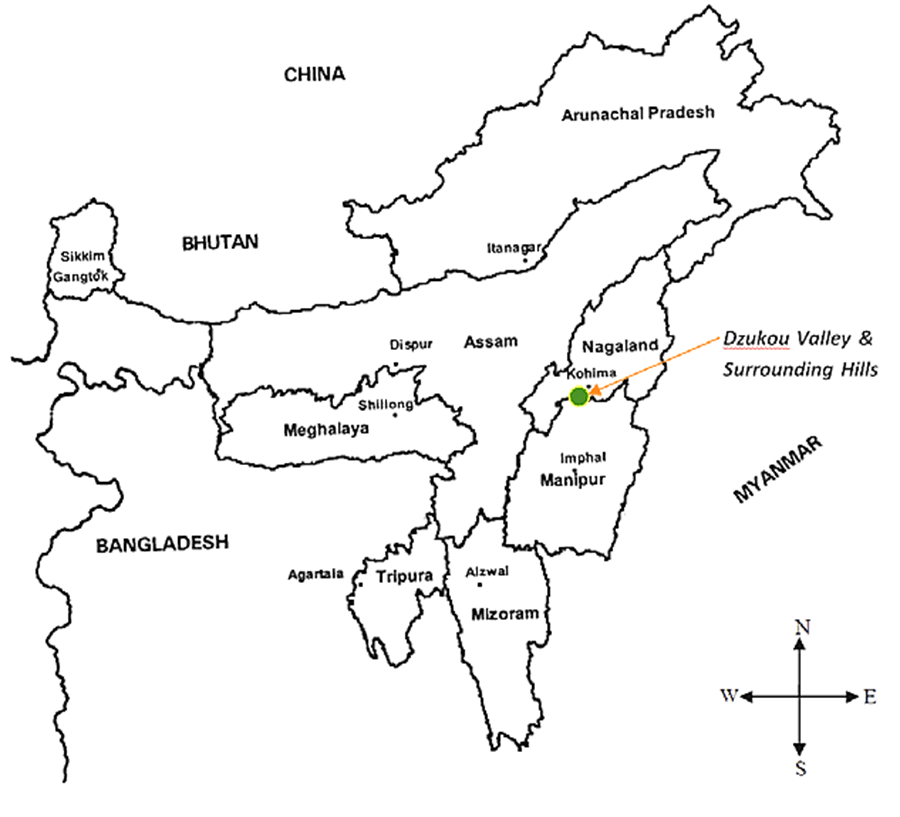
The two-week long forest fire in Dzukou valley on Nagaland-Manipur border has been doused.
- The 90-sq km green valley has been prone to forest fires for decades – in 2015, 2012, 2010 and 2006.
- opularly known as the ‘valley of flower’, is located at the border of Nagaland and Manipur.
- Situated at an altitude of 2,438 metres behind the Japfu mountain range,
no human habitations within the forests, but they are home to rare and ‘vulnerable’ (as per the IUCN Red List) birds – Blyth’s Tragopan (Nagaland’s state bird), the Rufous-necked Hornbill and the Dark-rumped Swift, among many others. Also found in the forests are endangered Western Hoolock Gibbons.
2019 Report by the Forest Survey of India (FSI):
- About 21.40% of forest cover in India is prone to fires, with forests in the north-eastern region and central India being the most vulnerable.
- While the overall green cover has increased in the country, the forest cover in the north-east — particularly in Mizoram, Arunachal Pradesh and Nagaland — has decreased. Forest Fires could be one of the causes
Science- Tech
ICMR= Indian Council of Medical Research has invited expression of interest from drone operators to develop a vaccine delivery model.
Govt rules permit only those drone operations that are within visual range, the ICMR project comes at a time the Ministry of Civil Aviation has allowed 20 entities to conduct trials for long-range or “beyond visual line of sight” drone flights.
- Technical specifications for this include:
- The ability of drones to fly beyond visual line of sight (BVLOS)
- The ability to carry a payload of up to 4 kg
- To cover a distance of up to 35 km
Central government has allocated 78,000 tonnes of rice procured for food security purposes to be diverted to ethanol production at a subsidised rate of ₹20 a kg.
- However, the share of rice in ethanol production is minuscule and maize would form the primary feedstock for grain-based ethanol production.
- part of the government’s plan to double distilling capacities by 2025, partly by encouraging an increase in the share of grain-based ethanol production from the current focus on molasses-based production.
- Earlier, a road map advancing the target date for achieving 20% blending of ethanol in petrol by five years to 2025 was presented.
- The last two years have seen blending levels of around 5%.
The Union Cabinet has approved the deep ocean mission.
proposes to explore the deep ocean similar to the space exploration started by ISRO about 35 years ago
- mission is expected to cost ₹4,077 crore over the next five years.
- The Ministry of Earth Sciences (MoES) will be the nodal Ministry implementing this multi-institutional mission.
- India has been allotted a site of 75,000 square kilometres in the Central Indian Ocean Basin (CIOB) by the UN International Sea Bed Authority for the exploitation of polymetallic nodules (PMN). These are rocks scattered on the seabed containing iron, manganese, nickel and cobalt.
- Being able to lay hands on a fraction of that reserve can meet the energy requirement of India for the next 100 years.
- Potential sources of hydrothermal minerals that are sources of precious metals.
- offshore Ocean Thermal Energy Conversion (OTEC) powered desalination plants.
CSIR-Indian Institute of Chemical Technology Hyderabad (IICT) and a Bengaluru-based integrated biopharmaceutical company, signed an agreement for technology transfer and manufacture of the anti-COVID drug 2-DG or 2-Deoxy-D-Glucose.
- The 2 DG drug, like glucose, spreads through the body, reaches the virus-infected cells and prevents virus growth by stopping viral synthesis and destroys the protein’s energy production.
- The drug also works on virus infection spread into lungs which help us to decrease patients’ dependability on oxygen.
- The drug is known for selective accumulation in virally infected cells.
 MY BOX