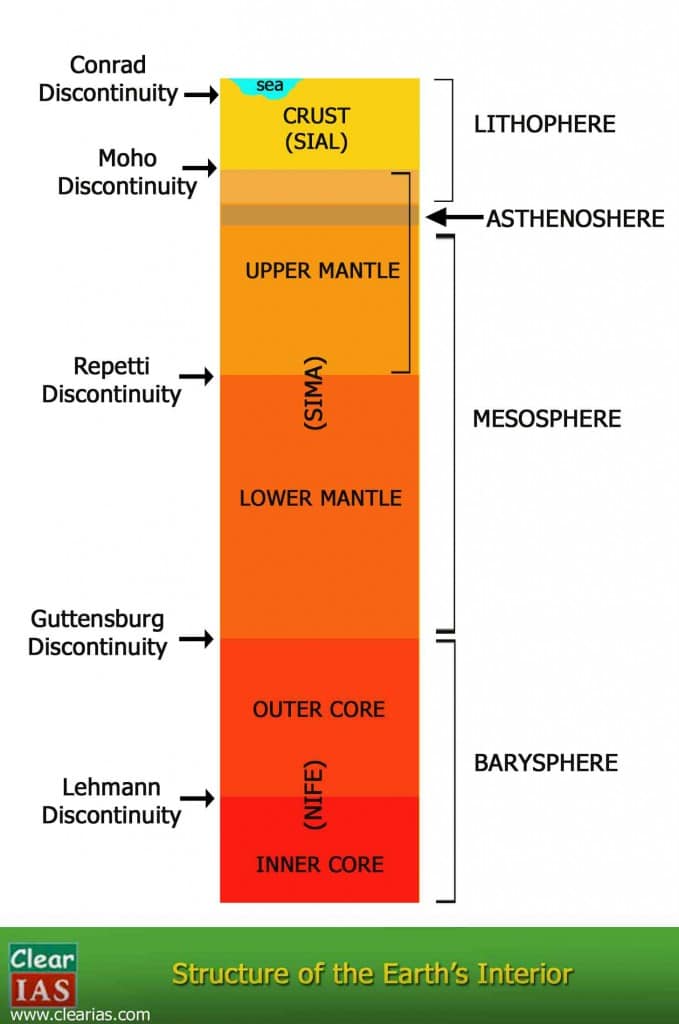
| Structure name | Volume | Mass | Earth’s radius- 6371km | Density gm/cc | |
| Crust | 1% | 0.5% | 0- 5 or 30km | 3.0 | Granitic rocks (SiAl) then Basaltic Rocks (SiMa) |
| Mantle | 84% | 67% | 400-2900km | 3.3-5.4 | Basaltic Rocks (SiMa) + rich in olivine |
| Core | 15% | 32.5% | 2900-6371km | 9.5-14.5 |
- The asthenosphere (in between 80-200km) is a highly viscous, mechanically weak and ductile, deforming region of the upper mantle which lies just below the lithosphere.
- The asthenosphere is the main source of magma and it is the layer over which the lithospheric plates/ continental plates move (plate tectonics).
Temperature
A rise in temperature with increase in depth is observed in mines and deep wells.
| 0-10 km | 40-100 km | 100 – 300 km | >300 km |
| 10C per 32m | 120C per km | 200C per km | 100C per km |
Pressure
Pressure is also increasing from the surface towards the centre of the earth due to the huge weight of the overlying materials like rocks.
Rocks classification

Source: https://www.civilsdaily.com/classifications-of-rocks-sedimentary-igneous-and-metamorphic/
Pumice raft
A gigantic floating raft of volcanic rock (pumice) that emerged from an underwater volcano eruption in the Pacific Ocean, near Tonga, is slowly drifting towards the Australian coast, heartening hopes it could benefit the imperiled Great Barrier Reef.
Its around 150 sqkm.
source : science alert
The composition of the upper 5 km of the earth’s crust is as follows:

Igneous Rocks
Can be divided into 2 types of igneous rocks based on origin:
- Plutonic (intrusive)
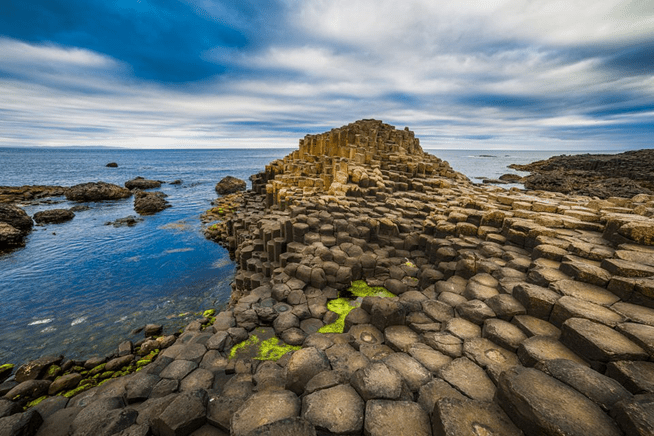
- Volcanic (extrusive)- basalt is found in Antrim in Northern Ireland, Deccan plateau in India, Columbia-snake plateau in USA.

Sedimentary Rocks
They have characteristic layer formation and stratified rocks. May be crystalline & non-crystalline and often contains fossils. Classified according to Age and Formation techniques.
Sandstone – made up of sand and quartz particle.
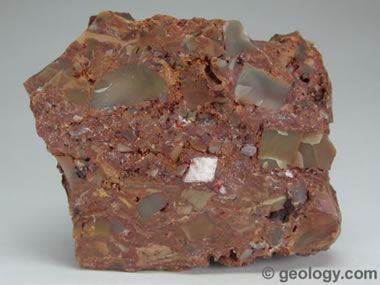
- Clastic sedimentary rocks such as breccia, conglomerate, sandstone, siltstone, and shale are formed from mechanical weathering debris.
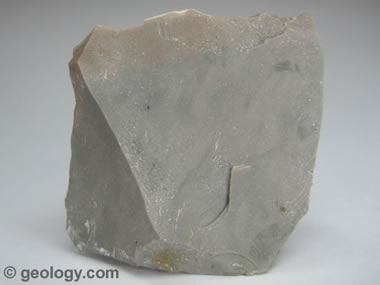
- Chemical sedimentary rocks, such as rock salt, iron ore, chert, flint, some dolomites, and some limestones, form when dissolved materials precipitate from solution.
- Organic sedimentary rocks such as coal, some dolomites, and some limestones, form from the accumulation of plant or animal debris.
Source : Gelogy.comhttps://geology.com/rocks/sedimentary-rocks.shtml
Metamorphic Rocks
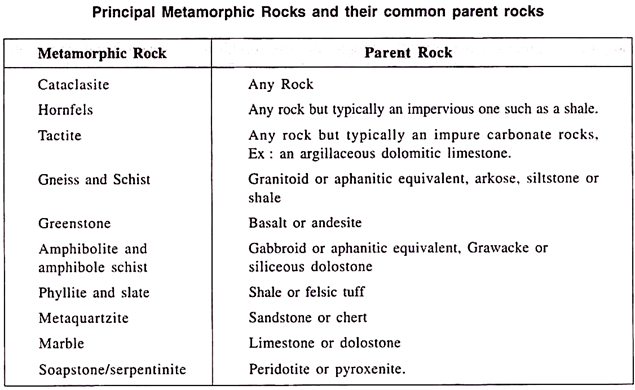
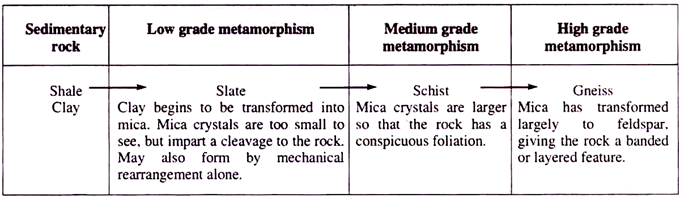
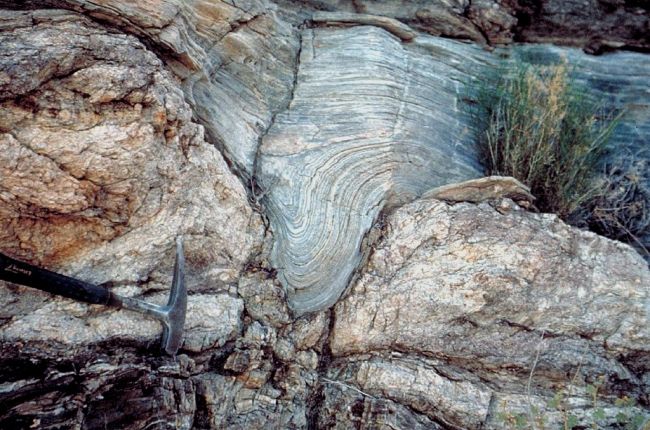
Metamorphic rocks are formed by the action of great heat and pressure on igneous, sedimentary or other existing rocks. The ingredients of the rocks undergo solid state recrystallization to yield new texture having new characteristics.
 MY BOX